When a startup walks into an incubator with a Proof of Concept, it is tempting to think that the job of the incubator is to provide mentoring, workspace, introductions and perhaps funding.
I have come to see incubation differently.
A startup is more like a plant growing in a garden.
The seed may have enormous potential, but potential alone does not guarantee growth. The soil matters. Sunlight matters. Water matters. Nutrients matter. Protection matters. Pollination matters.
And, importantly, the gardener matters.
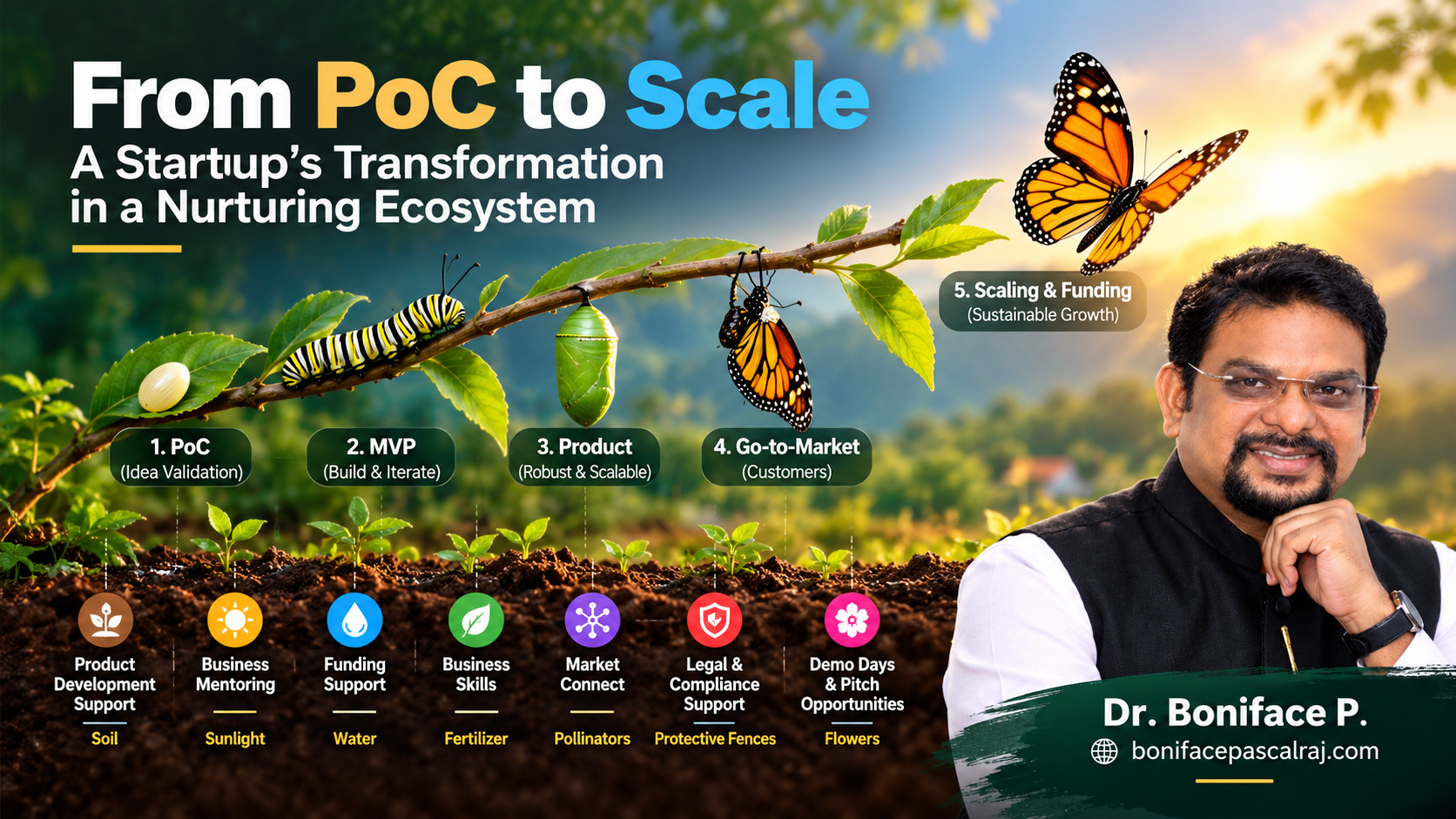
This is the thinking behind a framework I recently developed for the incubation journey for startups, where we work with startups from the PoC stage and support them as they move towards product development, market entry, scaling and fundraising.
I call it:
The Garden for Startup Transformation.
From Egg to Butterfly
I used the metamorphosis of a butterfly as a simple way to visualise the transformation of a startup.
The framework has five stages:
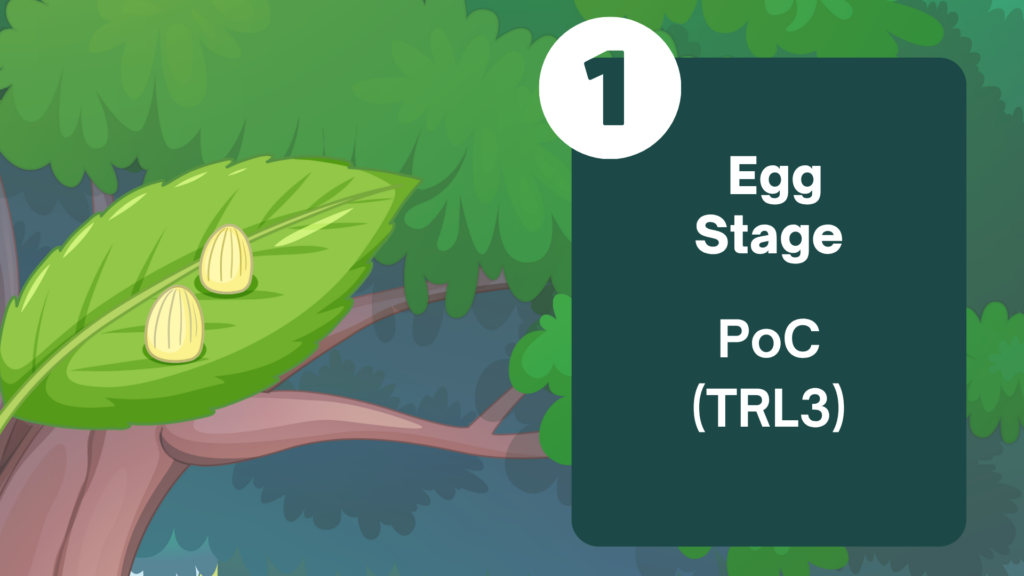
Egg → PoC
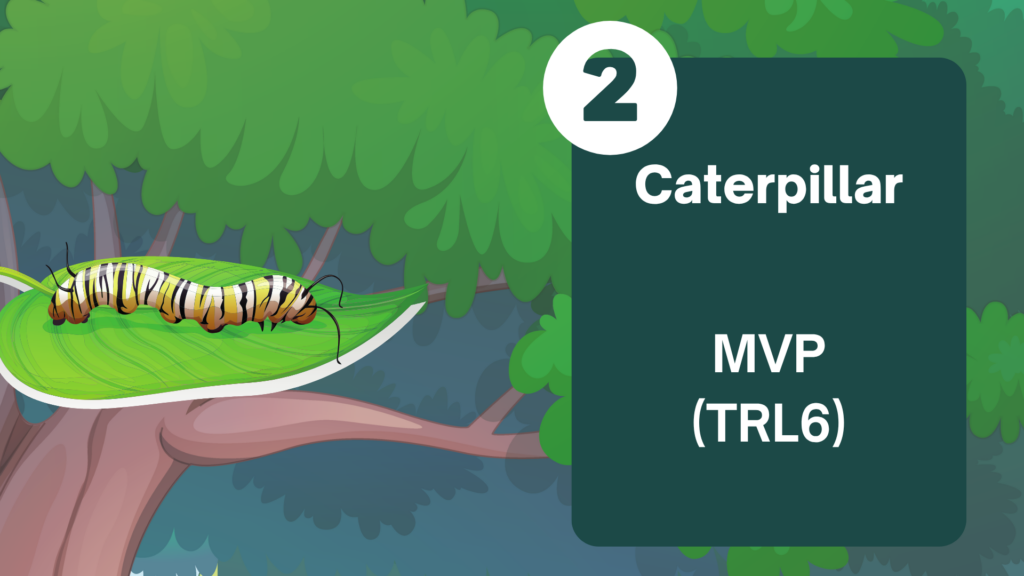
Caterpillar → MVP
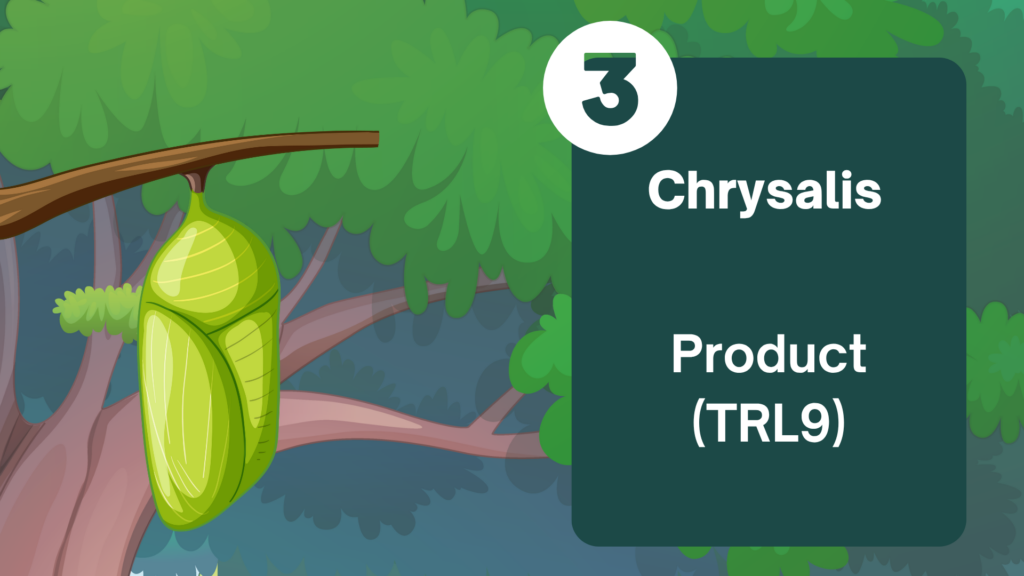
Chrysalis → Product
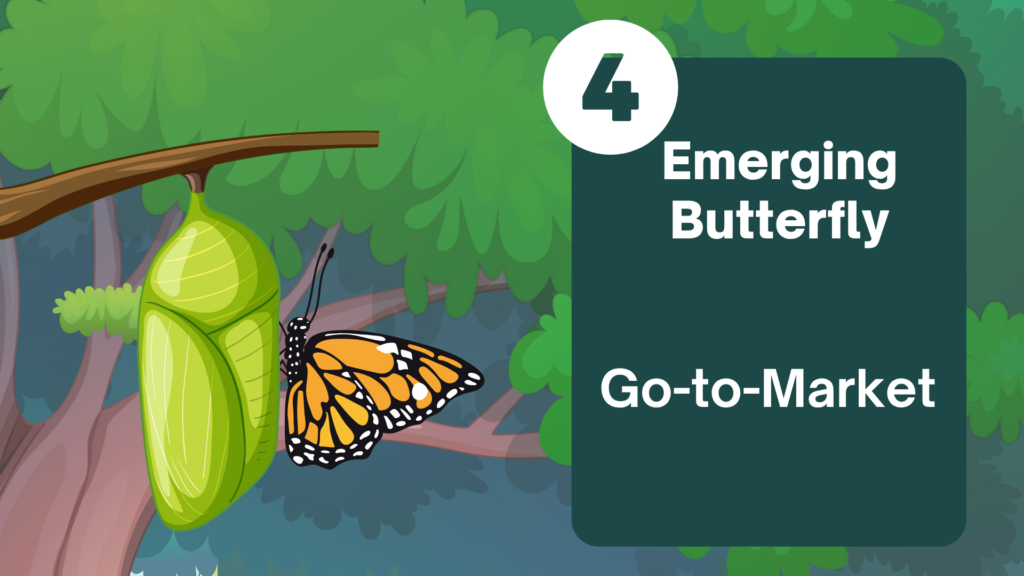
Emerging Butterfly → Go-to-Market
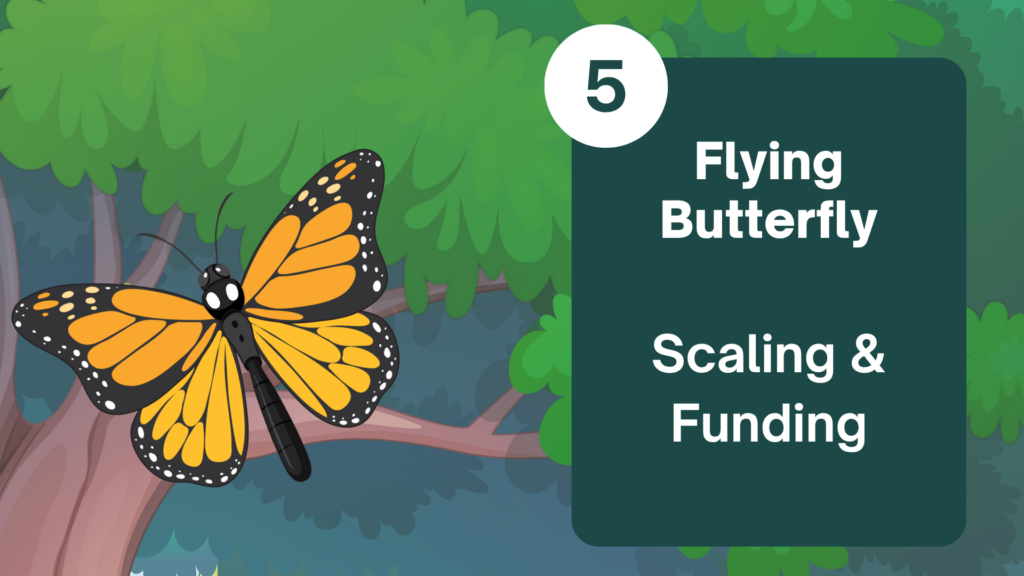
Flying Butterfly → Scaling & Funding
These stages are not intended to suggest that every startup follows exactly the same path. They are a way of thinking about the changing needs of a startup as it matures.
At the PoC stage, the question is:
Can this idea actually work?
At the MVP stage:
Can we build something that a user can actually experience?
At the product stage:
Can we turn the technology into something reliable and usable?
At the go-to-market stage:
Will customers actually buy it?
And when the startup begins to scale:
Can we build a business that grows beyond the founders themselves?
The questions change.
Therefore, the support required also has to change.
The incubator is the garden
This is where I believe an incubator’s role becomes interesting.
An incubator cannot build the startup for the founder.
But it can create an environment in which the startup has a better chance of growing.
For the incubator, I visualised this environment through different elements of a garden.
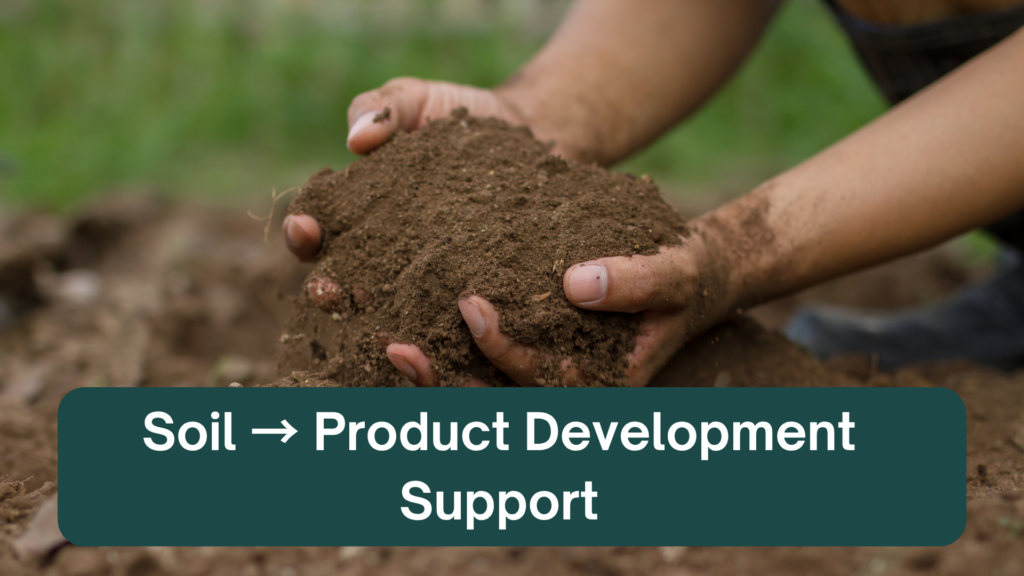
Soil: Product Development
A startup cannot grow without a strong foundation.
At the early stage, this could mean technical support, prototyping, access to expertise, product engineering or working with faculty and technical mentors.
The PoC has to evolve into something that can actually be used.
That is the soil.
Sunlight: Business Mentoring
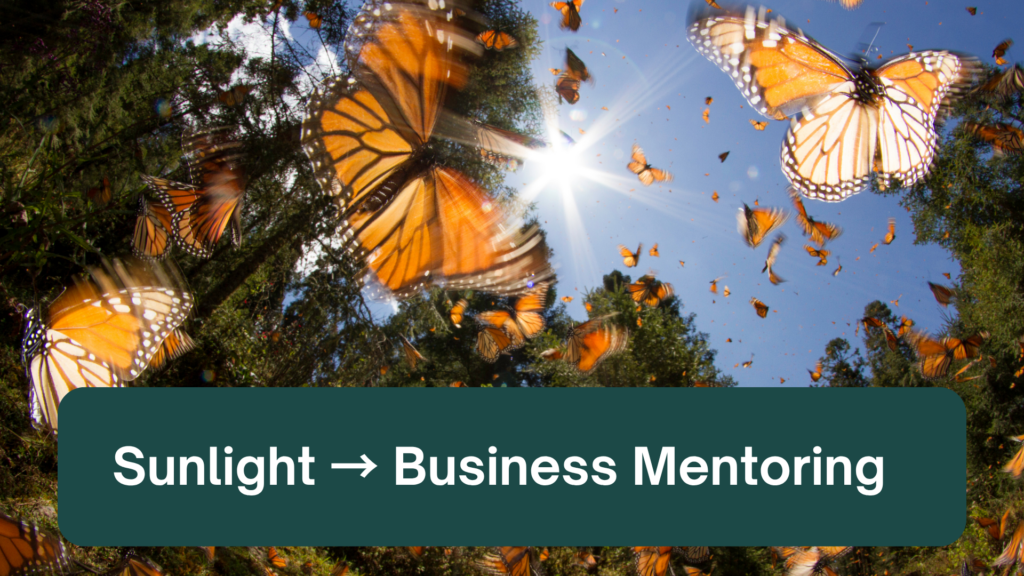
Technology alone does not create a business.
Founders need people who can challenge their assumptions, ask uncomfortable questions and help them look at the problem from a customer’s perspective.
That is where business mentors play an important role.
The right mentor does not necessarily give the founder all the answers.
Sometimes, the better mentor is the person who asks the right question.
That is sunlight.
Water: Funding Support
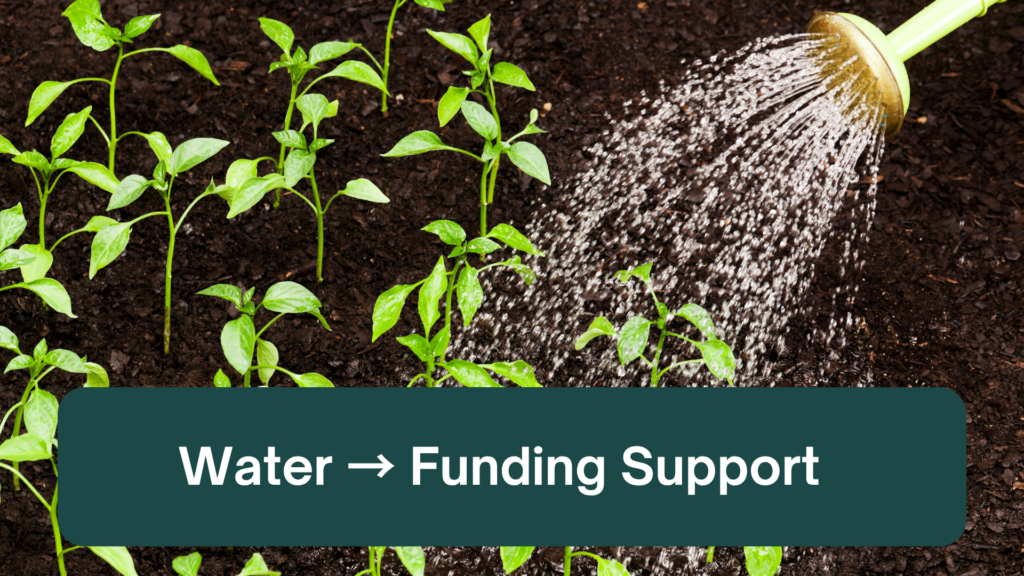
Ideas need resources to survive long enough to become businesses.
Funding can come through grants, seed funds, investors, strategic partners or customers.
But funding should not become the definition of incubation.
Capital is an enabler.
It is water, not the plant itself.
Fertilizer: Business Skills
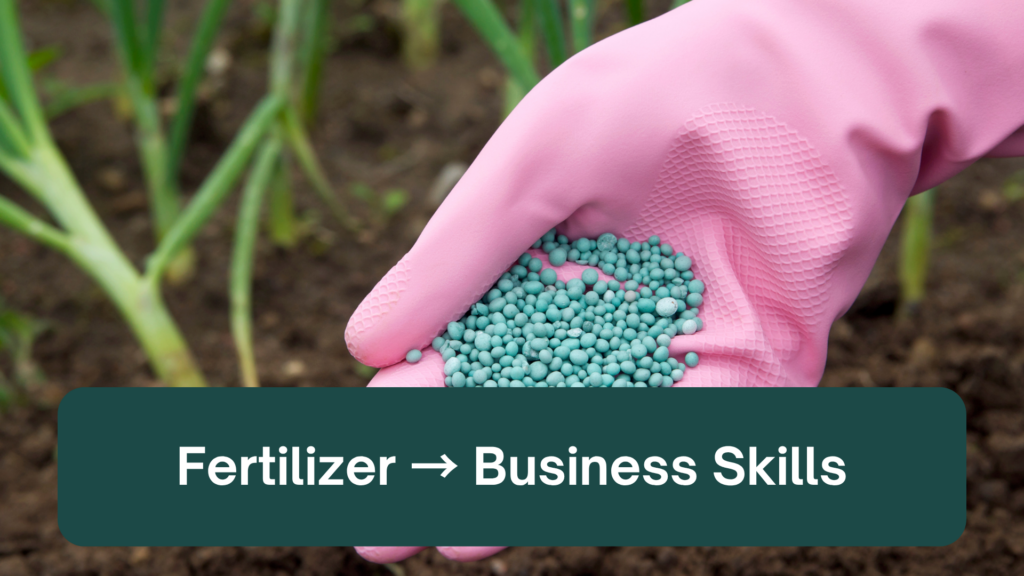
Many founders are technically strong but may not initially have experience in pricing, sales, finance, hiring, negotiation, branding or business development.
These capabilities have to develop along with the product.
That is the fertilizer.
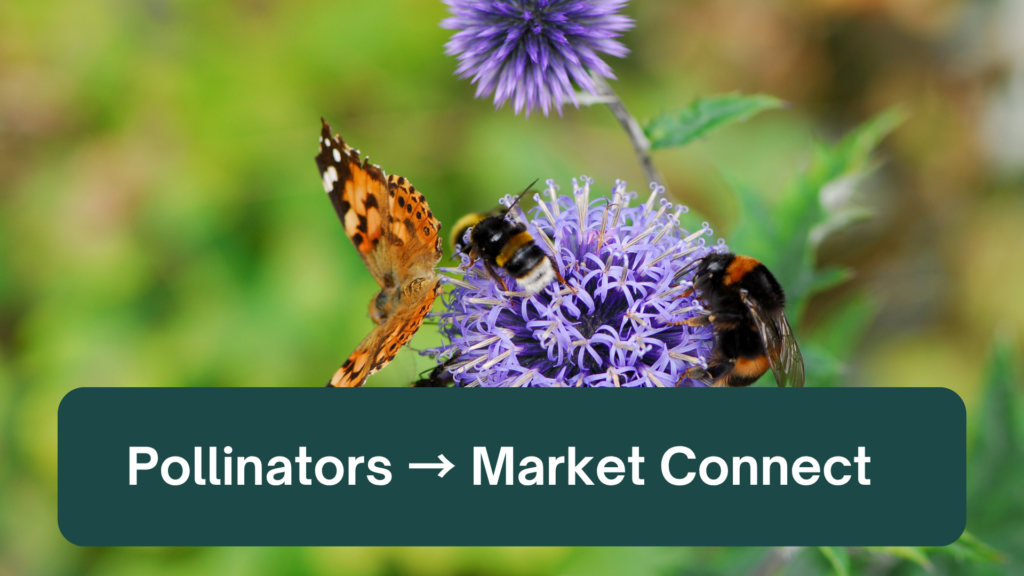
Pollinators: Market Connect
One of the biggest challenges for an early-stage startup is reaching the right customer.
An incubator can help create connections with industry, corporates, potential customers, pilot partners and other ecosystem participants.
A good introduction can sometimes be more valuable than another workshop.
That is the role of the pollinators.
Protective Fences: Legal and Compliance
Startups also need protection.
Intellectual property, contracts, regulatory requirements, company structures, compliance and other legal matters may not be the most exciting part of entrepreneurship, but they can become critical as the company grows.
The garden needs boundaries too.

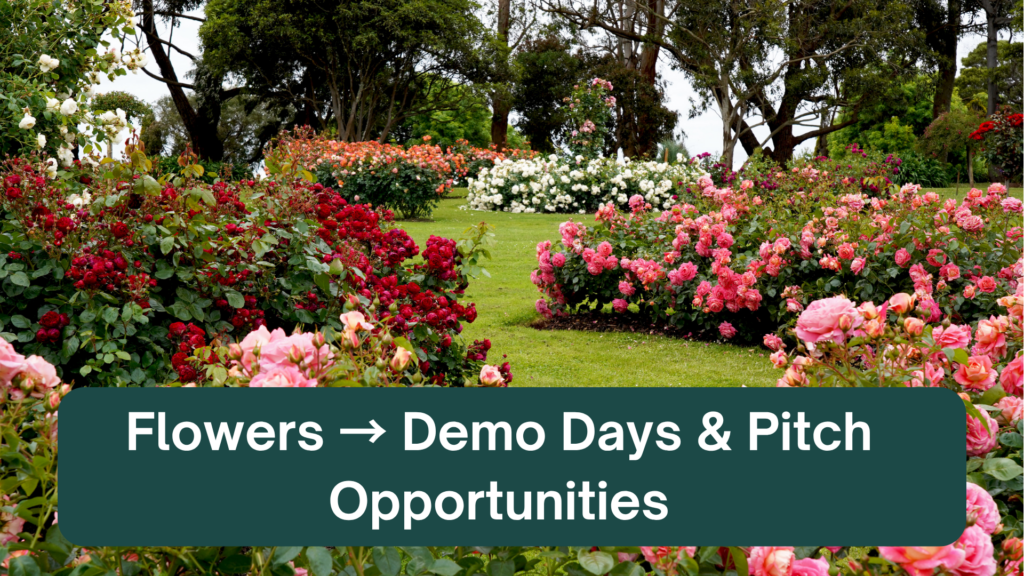
Flowers: Demo Days and Pitch Opportunities
Eventually, the startup has to step outside the incubator.
It needs to demonstrate the product, pitch to investors, meet customers and tell its story.
Demo days, pitch events and industry interactions provide those opportunities.
The flowers are where the garden becomes visible.
The Gardener: The Incubation Team
And finally, there is the gardener.
At the incubator, that is the incubation team.
The gardener does not make the plant grow.
The gardener creates the conditions in which it can grow.
That distinction is important.
But there is one important limitation to the analogy
There is a fundamental difference between a plant and a startup.
A plant does not decide where it wants to go.
A founder does.
A founder can pivot.
A founder can ignore advice.
A founder can change the business model.
A founder can decide to pursue a completely different market.
A founder can give up.
And a founder can surprise everyone.
Therefore, the incubator can create the garden, but the founder still has to make the journey.
This is perhaps the most important part of the incubation philosophy.
We can provide mentors.
We can facilitate technical support.
We can create market connections.
We can help identify funding opportunities.
We can provide access to infrastructure.
But ultimately, the founder has to execute.
Incubation is not about keeping startups inside the garden
There is another lesson in the butterfly analogy.
The objective of the garden is not to keep the butterfly inside it.
The objective is to help it become capable of flying.
That is how I think about incubation.
A successful incubator should not create startups that are permanently dependent on the incubator.
It should help startups become increasingly independent.
The journey should therefore move from:
Support → Capability → Validation → Market → Scale
The startup should gradually require less hand-holding and become increasingly capable of navigating the market on its own.
We don’t know which startup will become the winner
I believe incubation needs audacious goals.
But there is an important reality behind that ambition.
When an incubator works with early-stage startups, nobody knows with certainty which startup will eventually become a large company.
A PoC does not come with a label saying “future unicorn.”
That is why I prefer to think of our role not as predicting winners, but as backing promising founders and creating an environment where they have a better chance of becoming winners.
Some will succeed.
Some will pivot.
Some will struggle.
Some may fail.
And some may eventually build companies much larger than anyone initially expected.
That uncertainty is part of entrepreneurship.
The real transformation
The most interesting transformation is therefore not simply:
PoC → MVP → Product → Market → Scale
It is:
Idea → Evidence → Product → Customer → Business → Growth
And alongside that, there is another transformation happening:
Founder → Entrepreneur → Business Leader
That is the transformation an incubator should ultimately enable.
The startup changes.
The product changes.
The business model changes.
The market understanding changes.
And, hopefully, the founder changes too.
The goal is not to grow every startup
An incubator cannot and should not promise that every startup will succeed.
Our responsibility is to provide the right environment, resources, connections and challenges.
The founder’s responsibility is to make something valuable out of them.
That is why I like the garden analogy.
A gardener can prepare the soil.
A gardener can provide water.
A gardener can protect the plants.
A gardener can create the right conditions.
But growth cannot be commanded.
It has to happen.
And when it does, the most satisfying moment is not when the startup receives another mentoring session or attends another workshop.
It is when the startup no longer needs the garden in the same way.
It has grown strong enough to fly.
And perhaps, one day, one of those butterflies may fly much farther than we imagined.
As someone who has experienced entrepreneurship as a founder and now experiences it from the other side of the table as an incubator, I am increasingly convinced that great incubation is less about having all the answers and more about creating the conditions in which founders can discover the answers themselves.