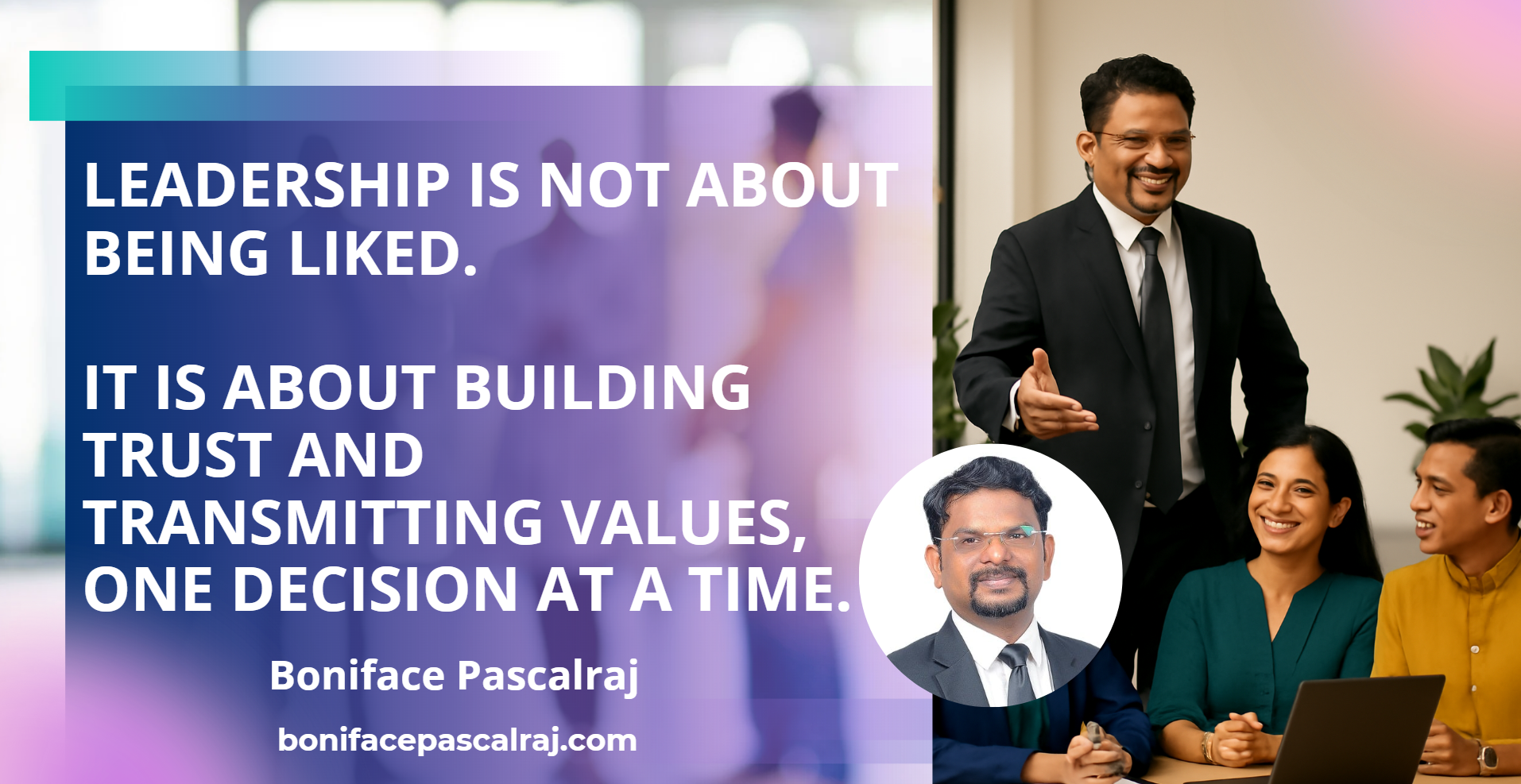
Let me bring you into a moment that every leader will recognize a career crossroads where your best intentions can be misunderstood and where your true values must quietly guide you through.
The Perception Trap
Once, I led a project with a team of talented individuals. I wanted my colleague, Sruthi (name changed), to grow, so I handed over responsibilities with just enough guidance and plenty of room for ownership. My hope? To nurture independence and resilience, the very skills I wrote about in navigating team dynamics for startup founders and business leaders. Yet, Sruthi’s perception was different: to her, my stepping back felt like disinterest. Behind the scenes, I was tackling tough deliverables to secure the client’s future business. To Sruthi, though, I was absent. Her concerns, raised discreetly to senior leadership, were a jolt. The contrast between intent and perception had never been clearer.
The Hide and Expose Move
This was not a new balancing act for me. I followed a principle I call “Hide and Expose.” When a team member shines, I highlight their successes with management. When they falter, I quietly work with them to improve, shielding them from harsh judgment, lest public failure break their confidence. But sometimes, my quiet protection led colleagues to feel overshadowed or underappreciated, a recurring challenge in leadership that I have explored in the 5 Cs of leadership success. In this, colleagues who contributed little sometimes expected accolades just for participation, never realizing that true recognition must be earned.
Compassion, Candor—and the Cost of Stepping In
Every leader walks a tightrope: Support too little, and you are seen as distant; support too much, and you risk overshadowing your team. Sometimes, stepping in saved vital client relationships. Other times, letting mistakes play out, painful as it was, helped teammates learn through real-world consequences. This tension is familiar to anyone who has prioritized a client’s interest in a time-sensitive crisis, as I detailed in Beyond Generations: Understanding What Truly Motivates People at Work. Leaders must sometimes be compassionate—actively helping and solving, not just feeling—but also brave enough to be candid.
Lessons Learned
Here is what’s become clear to me under the weight and cost of leadership:
- You cannot ever control another’s perceptions, only your actions and your clarity.
- Real trust takes time and shared effort. The deepest mutual understanding grows during collaboration, not before.
- Shielding colleagues from honest feedback only delays their growth. Tough love, delivered with kindness and care, is the truest gift.
Just as I advocated in The Power of Trust in Teams: trust is built by showing the true picture, not by sugar-coating. Leaders enable progress by telling the truth about where improvement is needed, even if it stings.
Why This Matters
True leadership is not about being liked or always understood but about transmitting the right values through modelled behavior:
- Empower and challenge others, but step in decisively when it truly matters.
- Champion your team publicly, coach them in private, share credit, and take responsibility for the setbacks.
- Show compassion—help when needed—but don’t let kindness replace necessary candor.
Teams do not learn from words but from the example a leader sets, especially in tough moments. Leadership is always the art of walking a tightrope—between support and challenge, protection and exposure, empathy and honesty.